Fabric is where fashion's environmental impact lives. You can design perfectly, you can price fairly, but if your fabric is destructive, your entire product is a contradiction. Understanding sustainable fabrics means understanding which materials actually reduce harm and which are marketing theater.
This isn't about obscure fabrics or paying triple. Sustainable materials have gotten better, cheaper, and more accessible in the past five years. Most of the best fabrics are becoming standard. You just need to know what you're looking for.
Natural Fibers: The Complexity
Natural doesn't automatically mean sustainable. Cotton is natural, but conventional cotton uses 16% of the world's pesticides while taking up 2.6% of global agricultural land. It's incredibly thirsty, incredibly toxic, and incredibly wasteful.
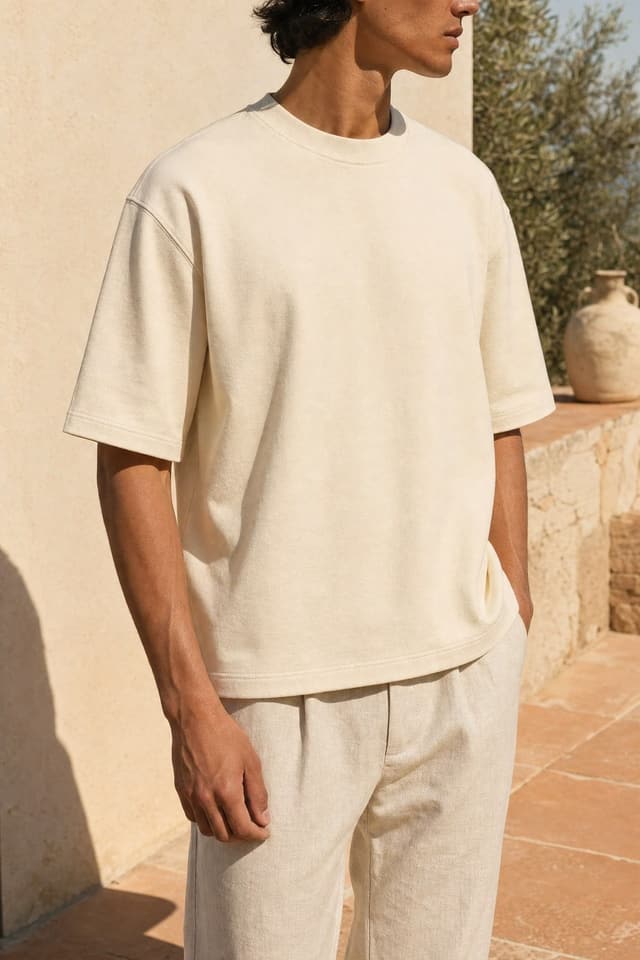
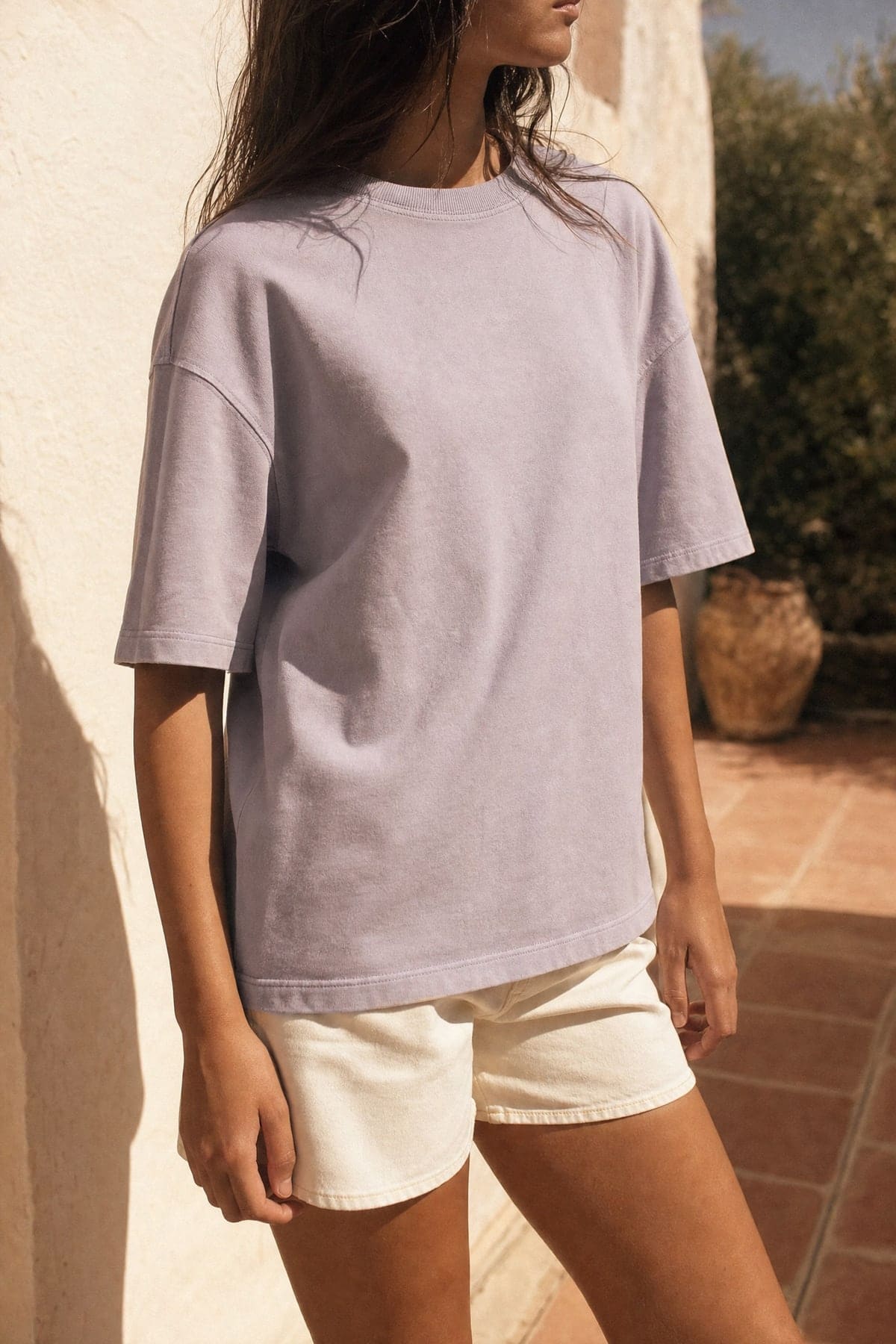
But organic cotton changes the equation entirely. Organic cotton is grown without synthetic pesticides or fertilizers. It uses less water because it builds soil health that retains moisture. Is it more expensive? Slightly. Per-wear cost for a Ink organic cotton tee spread over three years is negligible.
Linen is genuinely sustainable. Flax plants grow in poor soil that other crops won't use. They require no pesticides, very little water, and produce fibers with minimal processing. Linen gets softer with age and wear. A linen shirt gets better for decades. That's sustainability's real definition: goods that improve with time instead of degrading.
Wool from regenerative farms is sustainable. Sheep grazing managed properly improves soil health and carbon sequestration. The problem isn't wool—it's industrial sheep farming. Merino wool from ethical suppliers is one of the most durable fibers available. You wear it for years. Low impact per wear.
Regenerated Fibers: The Middle Ground
Regenerated fibers come from plants but go through industrial processing. This sounds worse than it is. The processing uses resources, but the base material is renewable and biodegradable. Better than synthetic fibers that will sit in landfills for 200 years.
Lyocell (brand name Tencel) is the best regenerated fiber. Wood pulp from sustainably managed forests gets dissolved and reformed into fibers. The solvents get recycled at 99% recovery rates. Lyocell is soft, durable, and genuinely low-impact. Most high-end sustainable brands use it.
Viscose is older regenerated fiber technology. It works, but the solvent recovery rates are lower (60-80%). If you're choosing between viscose and lyocell, lyocell wins. But viscose beats synthetic every time.
Linen and lyocell together create excellent fabrics. A blend that's 80% lyocell, 20% linen gets you durability, breathability, and low environmental impact. This is what high-quality sustainable basics are made from.
Synthetic Fibers: The Problem
Polyester is petroleum. Every synthetic fiber is a fossil fuel product. Polyester is cheap, which is why fast fashion uses it—but cheap comes with costs that don't appear on price tags.
Polyester sheds microplastics every time you wash it. Those microplastics enter water systems and fish. They're now in human bloodstreams and tissue. We're eating our own synthetic clothes in the fish we eat.
Polyester takes 200+ years to decompose. Anything you buy in polyester will outlast the landfill it ends up in. That's not a positive. That's a fundamental design flaw in the material.
The only defensible use of synthetic fibers is in technical fabrics where durability is genuinely non-negotiable—athletic wear, protective equipment. For everyday clothing, naturals and regenerated fibers are better options now.
Blends: What Works
Pure fabrics are ideal, but blends are reality. A 95% organic cotton, 5% elastane blend is vastly superior to 100% polyester. The elastane provides stretch without making the garment synthetic.
Good blends: organic cotton with elastane, lyocell with linen, wool with lyocell. These blends combine the best properties of each fiber. The garment gets durability, breathability, and stretch without compromising sustainability.
Bad blends: anything that combines natural fiber with more than 20% polyester. You lose the benefits of natural fiber—breathability, moisture management—while still getting the microplastic problem.
Weight and Durability
The most sustainable garment is the one you wear longest. This means weight matters. A heavy-weight organic cotton tee lasts longer than a lightweight one. The extra fiber adds durability.
This is why quality costs more. A quality Ink tee at 150-160 GSM (grams per square meter) will outlast a cheap tee at 120 GSM. The difference feels immediate when you hold them—weight equals substance equals longevity.
Real sustainability isn't about the fabric alone. It's about the whole garment. A merino wool sweater that lasts eight years is more sustainable than a "eco" synthetic sweater that lasts two years, even if the synthetic used less processing.
Calculate total environmental cost divided by years of wear. A high-quality lyocell tee worn 100 times per year for five years is more sustainable than a cheap viscose tee worn 10 times per year for one year. The durable option wins.
Certifications Worth Checking
GOTS (Global Organic Textile Standard) means the cotton is genuinely organic and the entire supply chain is audited. This matters.
FSC (Forest Stewardship Council) on regenerated fibers means the forest is managed sustainably. This matters too.
Fair Trade certification means workers were paid fairly. It's not perfect—no certification is—but it's better than no verification.
Skip certifications that are too broad or unaudited. "Eco-friendly" without a specific standard means almost nothing. "Sustainable sourcing" without documentation is marketing. Real certifications require real verification.
The Cost Perspective
Sustainable fabrics cost 10-30% more per garment than cheap synthetics. This sounds expensive until you calculate per-wear. A $60 organic cotton tee worn 150 times costs $0.40 per wear. A $15 synthetic tee worn 30 times costs $0.50 per wear.
The sustainable option is cheaper. Over time. Across your entire wardrobe. This is the shift that makes sustainable fashion accessible—understanding that cost and price are different numbers.
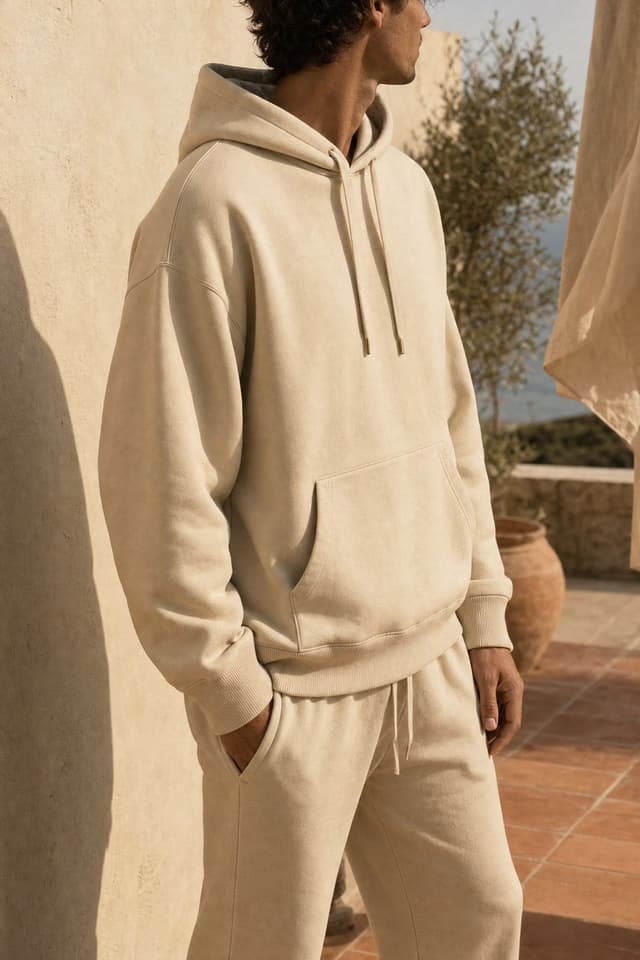
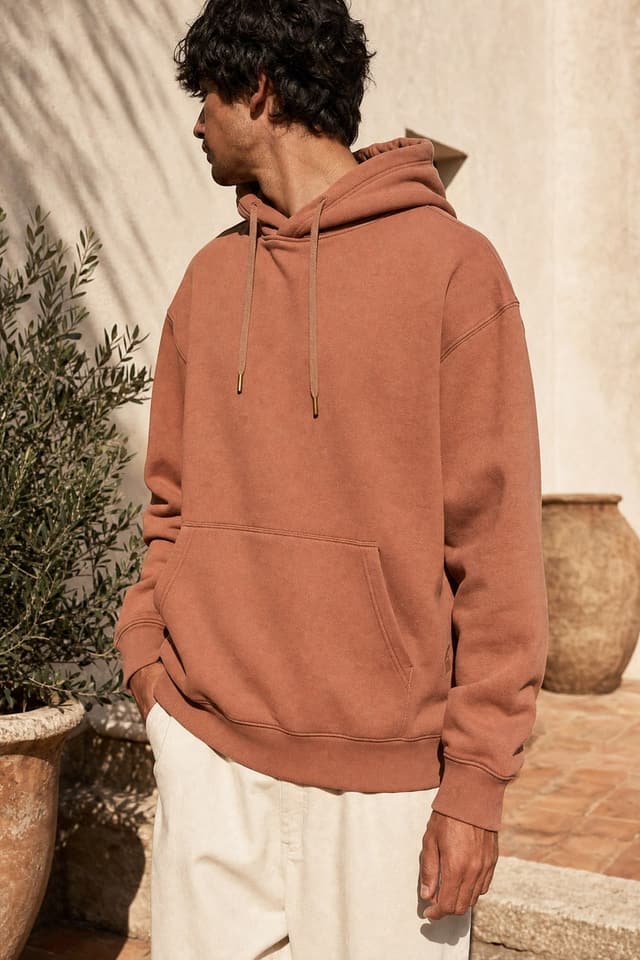
At 1ABEL, we've built our pieces around sustainable materials because they're better. Not because they're trendy. Better means they look better after a year. Better means they feel better in use. Better means the environmental cost per wear gets lower the longer you own them.
That's the real definition of sustainable fashion: pieces that improve with time instead of degrading, made from materials that harm less, designed to last. Everything else is just wishful thinking.